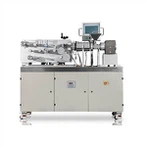
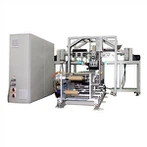
A single screw is generally divided into three sections in effective length. The effective length of the three sections is determined according to the diameter, pitch and depth of the screw, which are generally divided into one-third of each.
The last thread of the material opening begins to be called the conveying section: the material must not be plasticized here, but must be preheated and compacted. In the past, the old extrusion theory believed that the material here was loose, and later proved the movement of the material here. It is similar to a solid piston, so as long as it completes the delivery task, it is its function.
The second section is called the compression section. At this time, the volume of the screw groove gradually becomes smaller, and the temperature must reach the degree of plasticization of the material. The compression produced here is from the conveying section three, and here it is compressed to one. This is called the compression ratio of the screw --- 3:1. Some machines have also changed, and the plasticized material enters the third stage.
The third section is the metering section, where the material maintains the plasticizing temperature, but the melt material is accurately and quantitatively transported like a metering pump to supply the machine head. At this time, the temperature cannot be lower than the plasticizing temperature, generally slightly higher.