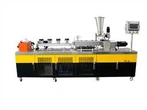
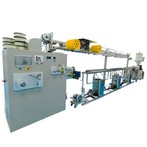
Torque rheometers are essential for studying material flow, plasticization, and thermal/shear stability, providing critical data for material evaluation and optimization. However, selecting the right test conditions and parameters requires careful consideration to ensure accurate and repeatable results.


Key Factors to Consider:
- Temperature Settings – Match processing conditions or explore thermal stability.
- Rotor Speed (Shear Rate) – Influences viscosity and shear sensitivity.
- Sample Loading – Ensure consistent weight for reproducibility.
- Test Duration – Balance between stability detection and degradation risks.
- Rotor Type & Geometry – Affects mixing efficiency and shear profile.
In addition to the above factors, other parameters in the test process, such as screw speed, material filling amount, etc., need to be considered. The selection of these parameters also needs to be flexibly adjusted according to the characteristics of the material and the purpose of the test. For example, the high or low screw speed will affect the mixing effect and shear stress of the material, while the amount of material filling will affect the temperature and pressure distribution during the test.
In summary, when conducting a torque rheometer test, choosing appropriate test conditions and parameters is a process of comprehensive consideration of multiple factors. It is necessary to fully understand the characteristics and application scenarios of the material, and flexibly adjust the test conditions and parameters in combination with the test purpose and the required test accuracy. Only in this way can we ensure the accuracy and reliability of the test results and provide strong support for material research and development and production. At the same time, with the continuous development of torque rheometer technology, more advanced test methods and parameter selection strategies will appear in the future to better meet the needs of material research and production.